
Animal Behavior: He Keeps Just One Object—Why That One?
Hello, this is Romane. An animal often keeps just one object because it gives them a familiar feeling, pleasure, or a sense of security. This choice may come from their history, their individual preferences, or the sensory stimulation the object provides. As long as they remain relaxed, there is generally no need to worry.
What to do right away
- Observe their body language: a loose body and relaxed posture are reassuring; stiffness and growling call for caution.
- Don’t snatch the object away, especially if they guard it. Avoid sudden movements and give them space.
- Check its condition: remove any object that is breaking, has pieces that could be swallowed, or poses a choking hazard.
- Offer a calm trade with a treat or a favorite toy, without forcing them.
- Note any changes: a sudden onset, anxiety, or pronounced guarding deserves particular attention.
To better distinguish a harmless preference from distress, you can read the signs that explain why an animal refuses an object and find out when guarding an object should raise concerns.
Why this object becomes their favorite
A ball, a blanket, or even an object with no apparent value can have several appealing qualities. Its texture, smell, sound, or shape provides sensory stimulation that other objects do not.
Animal behavior can also be explained by habit: an object associated with play, rest, or a reassuring moment can become a source of comfort. This attachment to objects does not mean the same thing for every animal, and it does not necessarily indicate possessive behavior.
A choice shaped by their senses and experiences
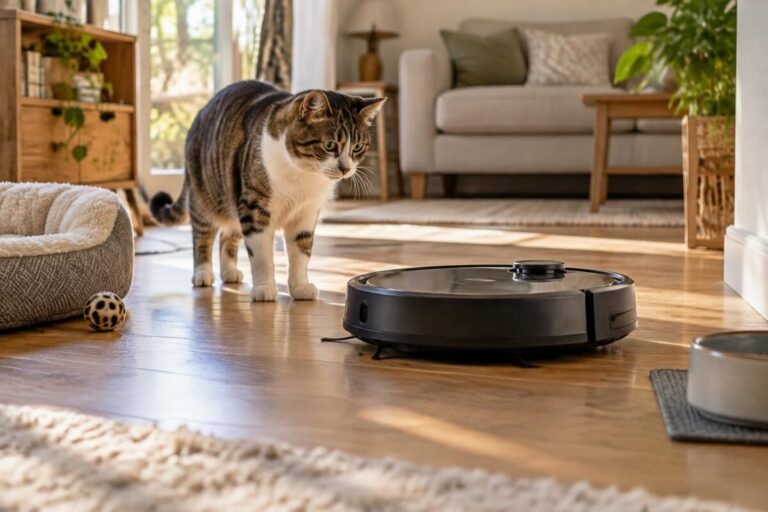
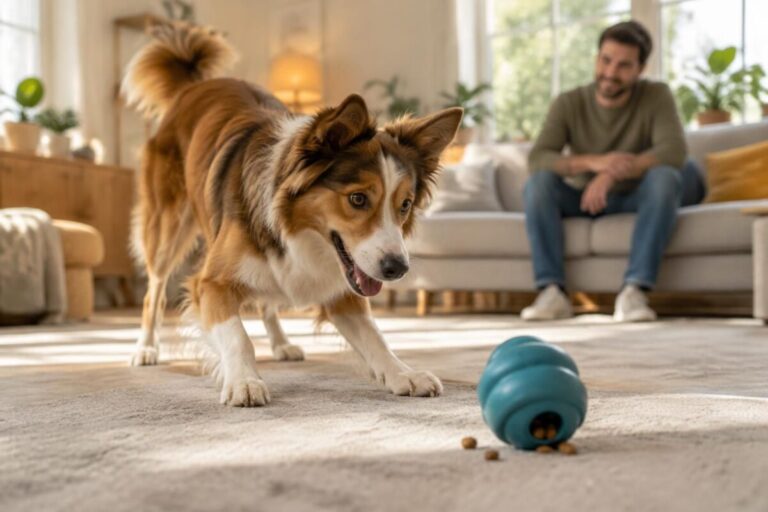
A dog may prefer a stuffed toy that carries the scent of home; a cat, a lightweight ball that rolls easily. This choice of object often comes down to a simple preference: it is enjoyable to handle, chew, or keep close.
Context matters too. After a move or a change in routine, a familiar object can provide a sense of emotional security. Animal instinct plays a role in exploration and play, but it is not enough on its own to explain every preference.
Harmless preference or possessive behavior?
Keeping an object close is not the same as defending it tensely. If the animal carries it around, sleeps nearby, or plays alone without stopping others from coming near, their behavior is often peaceful.
However, if they freeze, bare their teeth, growl, or try to bite when someone approaches, don’t try to take the object away. Pain, anxiety, or a past experience may intensify their reaction; a sudden change warrants a veterinary opinion.
| What you observe | What it may indicate | What to do |
|---|---|---|
| They play or rest near the object | Preference or habit | Leave them be and check the condition of the object |
| They carry it to different places | Familiar object or enjoyable activity | Offer other games without insisting |
| They stiffen or growl when someone approaches | Anxiety or resource guarding | Keep your distance and ask for advice |
| They swallow pieces or their behavior changes suddenly | Physical hazard or possible distress | Remove the object without confrontation and seek advice if needed |
How to support them without increasing tension
A common mistake is to bring out lots of objects or insist that they give up their favorite. This can make them more wary, whereas a calm approach lets them discover other options at their own pace.
For example, if Nala, a fictional cat, is only interested in a small fabric ball, her family can offer another one with a similar texture from a distance. If she ignores it, it’s best to respect her choice and try again later.
A simple three-step process
- Assess the situation: observe when they take the object, what they do with it, and whether they react when someone approaches.
- Make the trade positive: offer a reward or an engaging activity, then let them decide whether to drop the object.
- Ask for help if needed: consult a veterinarian if the guarding intensifies, the behavior appears suddenly, or the object is swallowed or dangerous.
The goal is not to eliminate every preference, but to preserve trust and safety. A favorite object can remain part of their daily life, as long as it is suitable and no one is put at risk.
When should you worry about their attachment to objects?
A long-standing, stable preference is often less concerning than a rapid change accompanied by agitation or aggression. If the animal can no longer relax without the object, guards it intensely, or seems to be in pain, a professional can investigate the cause.
Avoid punishing growling: it signals discomfort. If you make the growling stop without resolving the problem, you risk making the warning signs less visible and the situation less predictable.
Is it normal for an animal to prefer just one toy?
Yes, a texture, smell, or habit can make an object especially appealing. Above all, observe whether the animal remains relaxed and whether the object is safe.
Should I take away their favorite object?
Not if it is safe and the animal does not guard it. To replace it or get it back, offer a calm trade rather than snatching it away.
Why does my animal growl when someone approaches their object?
They may feel threatened or be trying to protect a resource. Keep your distance, avoid confrontation, and ask a veterinarian or behavior professional for advice if this happens repeatedly.
When should I consult a veterinarian?
Consult a veterinarian if the behavior appears suddenly, intensifies, is accompanied by signs of pain, or if the animal swallows pieces of the object.
Take good care of your companion and share your observations in the comments. — Romane