Animal behavior: this object calms them down or gets them too excited
Hello, this is Romane.
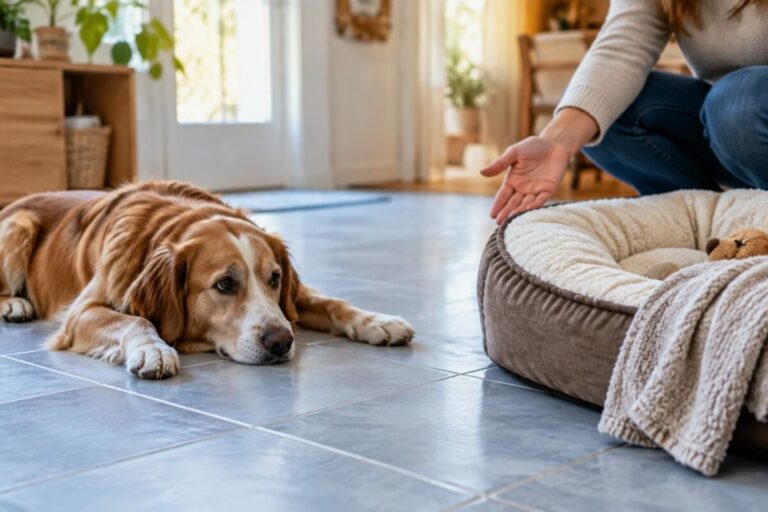
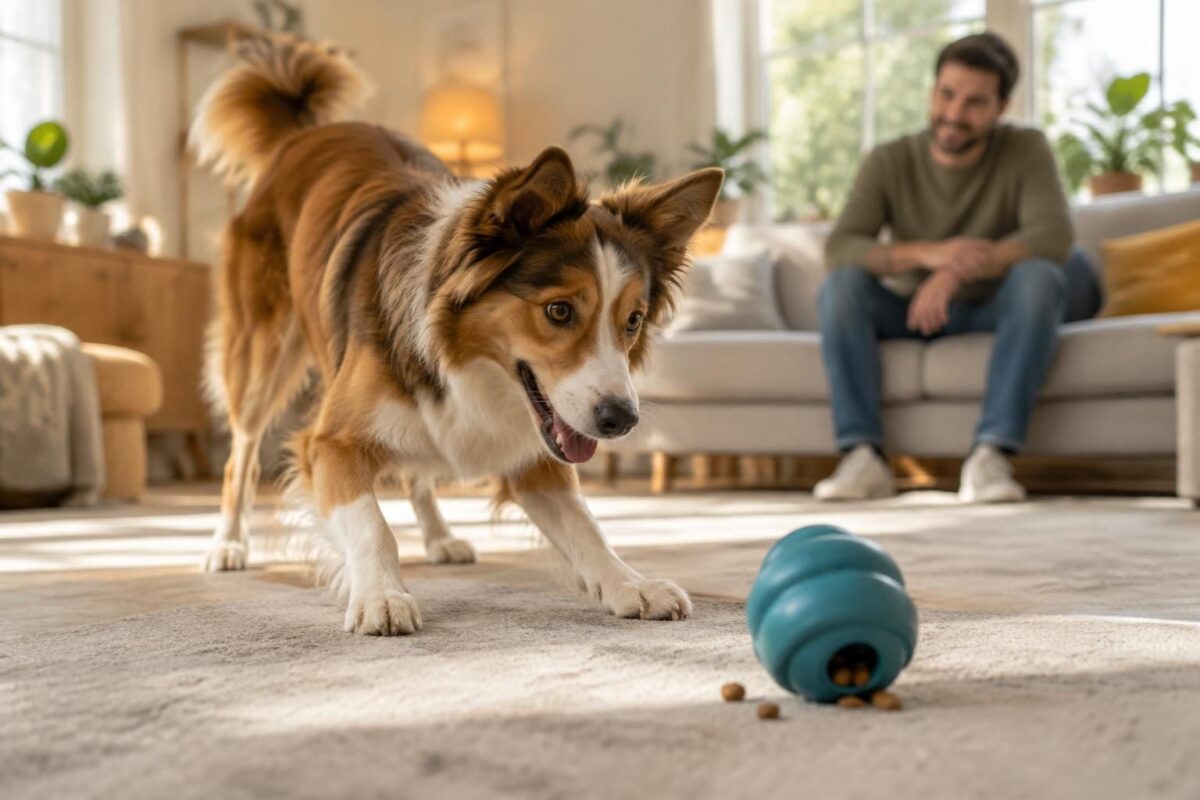
An object calms your pet if it helps them sniff, lick, or chew quietly; if it triggers frantic running or nibbling, it is too stimulating for them.
The same toy can produce different reactions depending on the pet, the moment, and how it is used. Observe their behavior rather than relying on the “calming” label.
Good habits to adopt
- Observe before offering the object: notice whether your companion is already tense or overexcited.
- Choose an appropriate activity: a lick mat, a stuffable toy, or a search game to encourage a calm activity.
- Start with a few minutes and stay nearby to monitor their reaction.
- Calmly interrupt if your pet becomes agitated, bites the toy forcefully, or can no longer disengage.
- Put the object away after the activity and give them a quiet place to recover.
A toy is not inherently calming: what matters is its effect on your pet. To learn more about managing excitement in dogs, you can read these tips about the accessory that helps or hinders your companion and the reasons they might run away from a new accessory.
When an object helps pets stay calm
Sniffing, licking, and searching for a reward engage their attention without requiring a fast chase. A snuffle mat or a stuffed toy can therefore provide mental stimulation and help some pets settle down after a walk or a period of agitation.
Offer it in a peaceful place, without expecting it to make the stress disappear all by itself. If your dog rushes at the toy, make it easier or offer it when they are already more receptive; for a cat, choose a short hunting activity followed by a rest.
| Object offered | Calmer reaction | Signs of excessive excitement |
|---|---|---|
| Snuffle mat | The pet searches slowly and stays focused. | They tear up the mat, shake it, or get worked up within seconds. |
| Stuffable toy | They lick or chew without becoming tense. | They throw it, bite it violently, or growl unusually. |
| Cat fishing rod toy | The cat chases a few times and then can stop. | They get overexcited, attack hands, or are unable to settle. |
These signs do not constitute a diagnosis: they simply indicate that the activity or its intensity may not be suitable at that moment. A new or very pronounced behavioral reaction deserves particular attention.
When a pet toy increases agitation
Objects that move quickly, squeak, or encourage repeated chasing can increase excitement. A play session is not necessarily a problem, but it becomes too intense if your pet stops responding to their surroundings, jumps on people, or nibbles as soon as someone comes near.
Also avoid playing directly with your hands or feet: kittens and puppies alike can learn to treat them as prey. If your pet gets overexcited, put the toy away without snatching it from them, slow down your movements, and offer a break in a safe space. Shouting and punishment may add stress instead of calming them down.
A three-step method for adjusting the activity
- Try it briefly: offer the object for a few minutes in a quiet room, and observe their posture, breathing, and ability to stop.
- Adjust the game: slow down the movements, make the search easier, or choose a less stimulating object. Stop if your pet becomes rough or seems uneasy.
- Make time to wind down: put the toy away, leave water within reach, and provide a place where your companion can retreat without being disturbed.
If the agitation appears suddenly, becomes frequent, or is accompanied by signs of pain, itching, or fear, ask a veterinarian for advice. Managing excitement also involves identifying its cause; your pet’s well-being is the best guide to choosing the right object and the right moment.
Frequently asked questions about objects that excite or calm pets
Does a lick mat calm all dogs?
No. Some dogs lick calmly, while others get impatient or chew on the mat. Offer it under supervision and remove it if your dog gets worked up or tries to swallow it.
How long should I offer a stimulating toy?
Start with a few minutes and adjust the duration according to your pet’s reactions. The goal is an enjoyable activity, not a session that leaves them overexcited or exhausted.
What should I do if my cat gets overexcited with a fishing rod toy?
Slow down the movements, let them catch the toy from time to time, then end the session calmly. Put the rod away after play to prevent them from attacking the string unsupervised.
When should I consult a vet about unusual agitation?
If the change is sudden, persistent, or associated with signs of pain, itching, or anxiety, make an appointment with a veterinarian.
Thanks for reading! Feel free to share your observations in the comments. — Romane