Pet Accessories: 5 Ways to Shop Smart Without Making a Mistake
Hello, Romane here. The best way to make useful purchases is to choose each accessory according to your pet’s needs, size, and how easy it is to care for.
An appealing product on the shelf doesn’t guarantee comfort or safety for your pet in everyday life. By checking a few simple criteria, you can make a responsible choice, protect your pet’s well-being, and keep your budget under control.
What to do right away
- Measure your pet before choosing a bed, harness, or carrier.
- Check the materials, seams, fasteners, and any small detachable parts.
- Check the care instructions and the cost of filters, refills, or replacement parts.
- Choose a feature that’s genuinely useful rather than a multifunctional accessory that doesn’t meet a specific need.
- Read the safety instructions, especially for grooming products and walking equipment.
To put together a starter list, read this guide to useful accessories for welcoming a dog, then compare the selection criteria for avoiding unnecessary purchases. The goal isn’t to accumulate things, but to find pet accessories that suit your routine.
Pet accessories: 5 ways to make useful purchases
A classic pitfall is relying on claims like “ultra-soft” or “easy to clean” without looking at the details. A bed might sag, a brush might not suit your pet’s coat, or a fountain might need more frequent cleaning than expected.
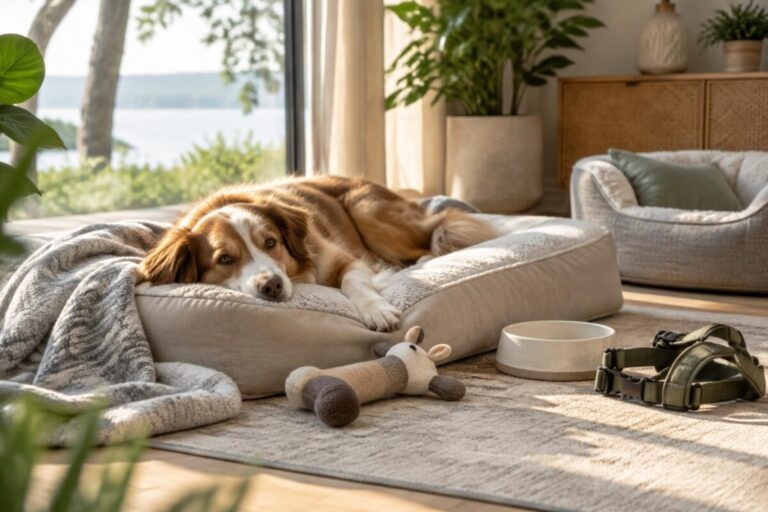
Take Nala, a dog who stretches out to her full length when she sleeps. A bed chosen purely for its appearance might be too small or difficult to wash. A few checks before buying can help avoid this disappointment.
1. Choose an accessory size that suits your pet
For a bed, measure your dog when they’re lying down and add about 15 to 25 cm so they can change position. If they fall between two sizes, it’s generally best to choose the larger model, as long as it fits their resting space.
Don’t rely only on the size shown on the packaging. For a stroller or carrier, also compare the interior dimensions with your pet’s measurements, and check that the equipment will fit through the doors or into the spaces where you plan to use it.
2. Check the quality of accessories and how to care for them
A removable, washable cover is often more practical than a cushion with a fixed cover. Also check the zipper, seams, and base: a non-slip bottom can help keep the bed stable on a smooth floor.
For a brush, check whether its bristles are suitable for your companion’s coat. A tool designed for short hair may irritate or snag a long, curly, or delicate coat. Durability depends as much on the materials as on using the brush appropriately.
3. Prioritize ergonomics over gadgets
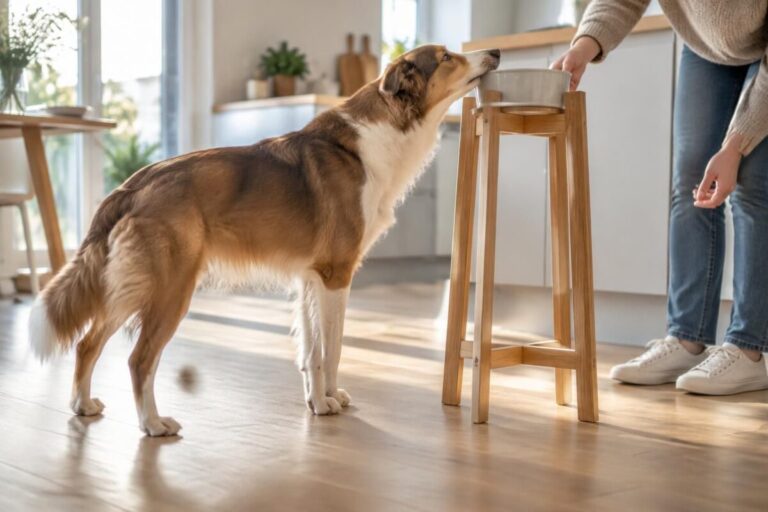
A slow-feeder bowl can help some dogs who eat very quickly, but it should still be stable and easy to clean. Not every dog needs a raised bowl: it may be useful for some older dogs or those with mobility issues, but the choice should be tailored to their situation.
Observe your pet’s posture while they eat. If they seem uncomfortable, ask a veterinarian for advice rather than assuming that a trendy accessory will solve the problem.
4. Check labels and safety instructions
For a flea and tick treatment, check that it’s intended for the right species and your pet’s weight. How often it should be applied depends on the product: follow the instructions and ask a professional for advice if you have questions about your companion’s age, health, or weight.
A muzzle should allow your dog to pant and drink. Basket-style muzzles are designed to leave more room around the snout than models that hold it closed. Introduce it gradually and positively, and don’t use it to prevent your dog from cooling down.
5. Calculate the true cost before you pay
The listed price doesn’t always reflect the total cost. A water fountain may need regular filter replacements, while an electric accessory may require recharging or specific parts. Check their availability and the cleaning instructions before buying.
For treats, distinguish between complete foods and complementary foods: the latter don’t replace a meal. Follow the recommended amounts and take your pet’s age, weight, and activity level into account.
| Accessory | What to check before buying | What to watch out for |
|---|---|---|
| Bed or cushion | Dimensions, padding, washable cover | Condition of the seams and stability on the floor |
| Food bowl | Stability, size, ease of cleaning | Choose a height that suits your pet’s needs |
| Brush | Coat type, bristle shape, grip | Avoid tools that aren’t suitable for delicate coats |
| Water fountain | Capacity, filter, care requirements, and available parts | Clean according to the manufacturer’s instructions |
| Grooming product | Intended species, weight, age, and instructions | Don’t guess the dosage or frequency |
A simple three-step method for choosing
- Define the need: note the specific problem you want to solve, such as a bed that’s too small or a coat that needs regular brushing.
- Compare the criteria: check the dimensions, materials, care requirements, and pet safety instructions.
- Observe your pet after buying: make sure the accessory suits your companion and stop using it if it gets damaged or causes discomfort.
This approach turns a useful purchase into a thoughtful choice: it supports your companion’s comfort, reduces waste, and helps you invest where it really matters.
Frequently asked questions about buying pet accessories
What accessories do you need to start with?
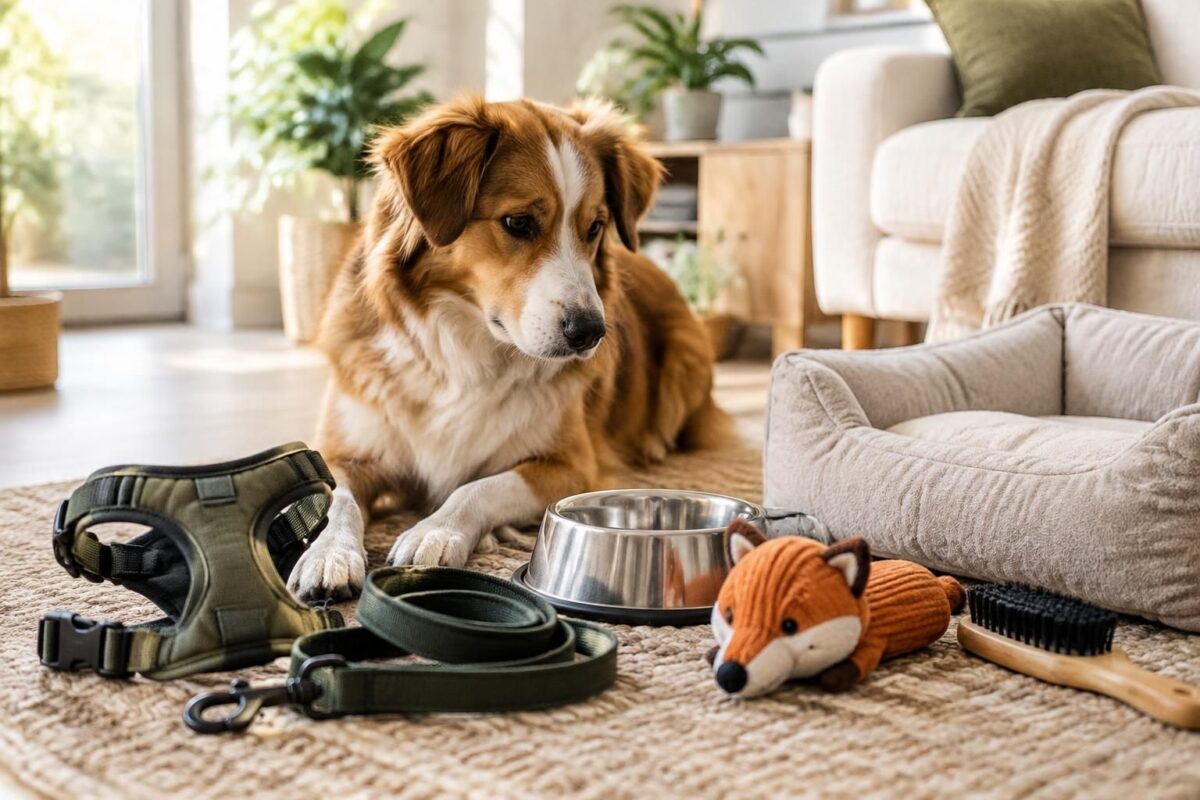
Start with the essentials suited to your pet: food and water bowls, a bed, walking equipment, basic hygiene products, and appropriate grooming accessories. Then add other items according to their actual needs.
Is a raised bowl useful for all dogs?
No. It may suit some older dogs or those with mobility issues, but a bowl placed on the floor is often suitable for a healthy dog. Observe their posture and ask for advice if they seem uncomfortable.
How often should you clean a water fountain?
How often depends on the model and how it’s used. Check the instructions, replace the water regularly, and clean the reservoir and filter according to the manufacturer’s recommendations.
How can you tell if a bed is big enough?
Measure your dog when they’re lying down and allow about 15 to 25 cm of extra space so they can stretch out and change position. Also check the bed’s interior dimensions.
Take good care of your companion and share your thoughts in the comments. — Romane