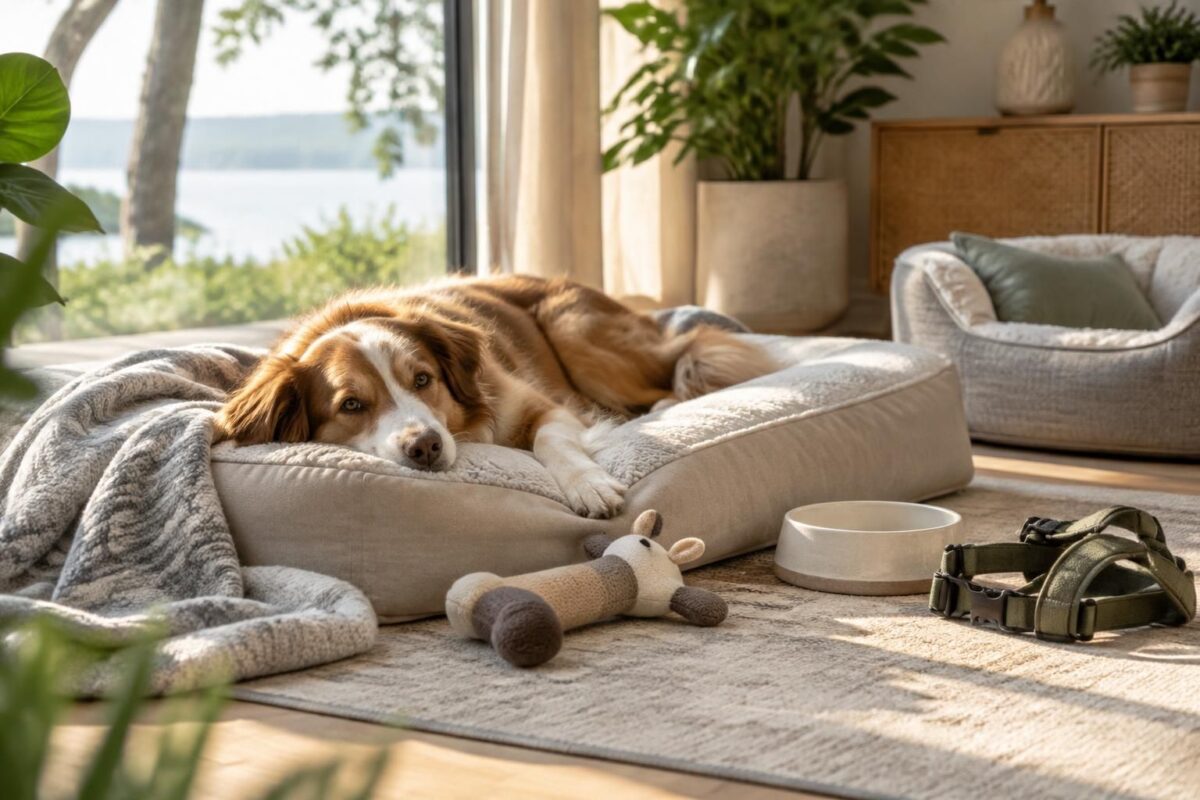
Pet Accessories: 10 Tips for Greater Comfort
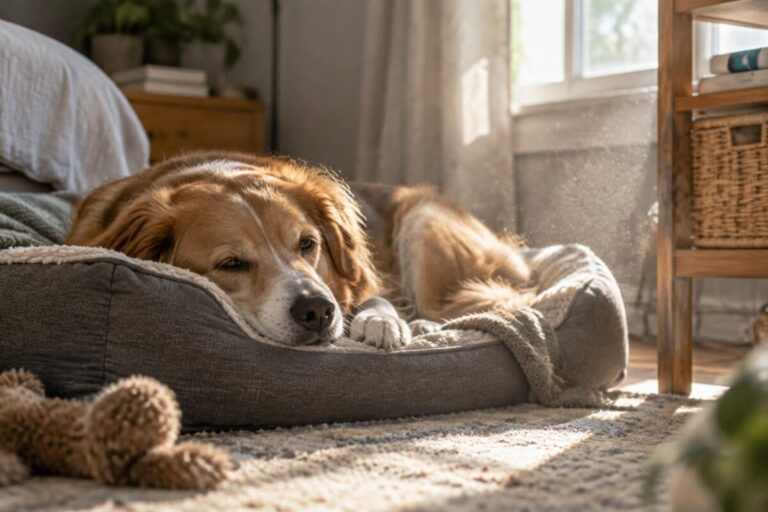
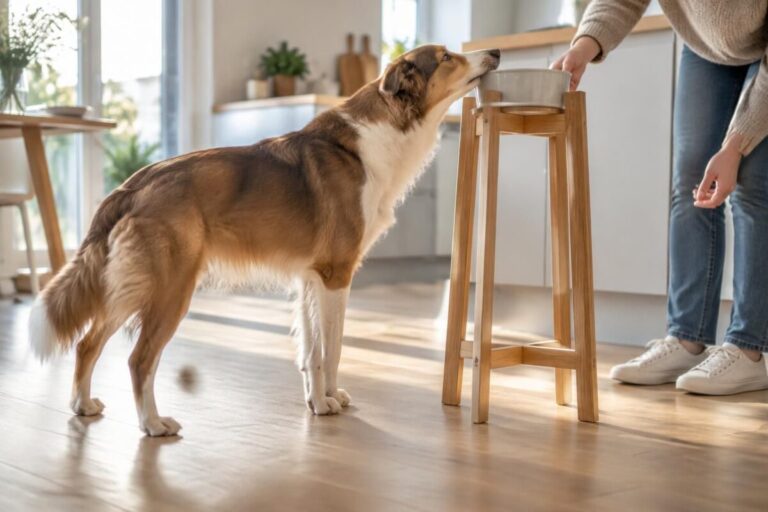
Hi, Romane here. To improve your pet’s comfort, choose suitable accessories that are easy to clean and store them in the right place. A cozy bed, a stable bowl and a quiet corner can already make a difference to your companion’s daily life. A few simple steps are all it takes to make your home more practical and safer.
Things to do right away
- Sort through the accessories: set aside anything that’s broken, too small or unused.
- Group them by purpose: walks, meals, rest, play and care.
- Set up a resting area with a suitable bed, away from busy walkways.
- Store medications and care products out of reach of pets and children.
- Keep the essentials within reach, such as the leash, bags and treats.
Do this now: set aside a small area for storage and make sure each accessory is easy to reach without blocking the way. You can also discover tips for organizing your pet’s belongings and consult a practical guide to comfort accessories.
10 tips for choosing comfortable accessories and keeping them organized
The right equipment isn’t necessarily the most expensive or the most sophisticated. Above all, it should suit your companion’s size, habits and sensitivities. Here are ten ideas you can easily adapt to your home.
| Tip | What to do | Why it’s useful |
|---|---|---|
| 1. Choose a suitable bed | Opt for a cozy bed or an ergonomic cushion that’s large enough for your pet to stretch out. | A comfortable bed helps your companion rest without feeling cramped. |
| 2. Check the bed | Choose a bed suited to their favorite resting position and place it somewhere quiet. | A safe, stable spot can help them relax and get away from noise. |
| 3. Add a soft blanket | Choose a washable one and keep a spare blanket in a dry place. | It provides a familiar surface, especially when traveling. |
| 4. Keep mealtimes steady | Use a non-slip bowl that’s the right size for your pet, and wash it regularly. | It moves around less during meals and is easy to clean. |
| 5. Adjust the harness | Choose an adjustable harness that doesn’t rub and allows the shoulders to move freely. | A good fit helps prevent discomfort during walks. Check it regularly. |
| 6. Mix up the toys | Offer a few interactive toys and rotate the others from time to time. | Rotating toys keeps them interesting without letting them take over the room. |
| 7. Organize your walking gear | Hang the leash and harness near the exit, with waste bags in a small container. | You can quickly find everything you need before heading out. |
| 8. Protect the food | Store kibble and treats in sealed containers in a dry place. | Clean storage helps preserve their quality and makes it easier to keep track of supplies. |
| 9. Store care items safely | Keep medications, cleaning products and small tools in a closed box. | These items should not be accessible without supervision. |
| 10. Get ready for travel | Choose a suitable, stable and well-ventilated carrier or bag for safe transport. | Familiar equipment that’s set up properly often makes the journey more peaceful. |
A three-step method for organizing your space
- Step 1: gather the accessories and separate the ones used every day from those that are seasonal or rarely used.
- Step 2: assign a place to each category: hooks for leashes, a basket for toys, and a closed box for care items.
- Step 3: observe your pet for a few days and move anything that bothers or worries them, or is hard to reach.
In a small home, stackable boxes and a piece of furniture with more than one use can free up floor space. However, avoid storing essential items somewhere hard to reach: comfort also depends on making everyday tasks simple.
Choosing accessories to suit your companion’s temperament
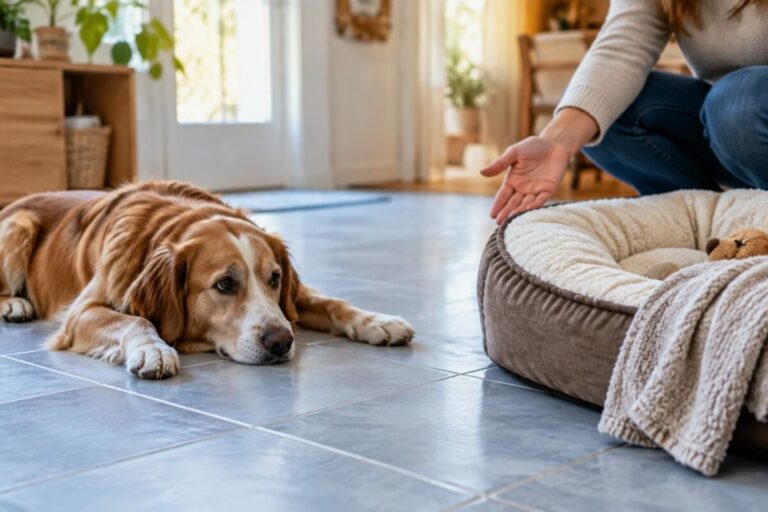
If your pet likes to hide, offer them a sheltered bed in a quiet corner without blocking their way out. If your pet prefers to watch, place their bed in a quiet area where they can see what’s happening around the home.
One day, Nala, a dog who was reluctant to go into her bed, eventually settled in after her family moved it away from the front door. The change was simple: less foot traffic, less noise, and a space where she could finally relax.
“The best accessory is the one your companion enjoys using.” This idea can help you choose based on their reactions, rather than on appearance or the latest trend.
Keep your home tidy without sacrificing comfort
An open basket makes toys easy to reach, while a closed box is better for medications or small items that could be dangerous. For kibble, choose an airtight container and store it somewhere dry. Clear organization also makes it easier to spot what’s running low before the next walk or meal.
To prevent clutter from building up, keep a few toys within reach and put the rest away. You can rotate them regularly based on your pet’s preferences. If an accessory is damaged, noisy or poorly tolerated, remove it and see whether your pet’s behavior settles down.
Helpful questions about pet comfort and accessories
How do I choose an ergonomic cushion?
Measure your pet while they are lying down and choose a cushion large enough for them to stretch out. Choose a washable cover and see whether they like settling on it.
Where should I put my pet’s bed?
Choose a quiet spot away from drafts and busy walkways. Make sure your companion can always get to their bed without being disturbed.
How should I organize accessories for multiple pets?
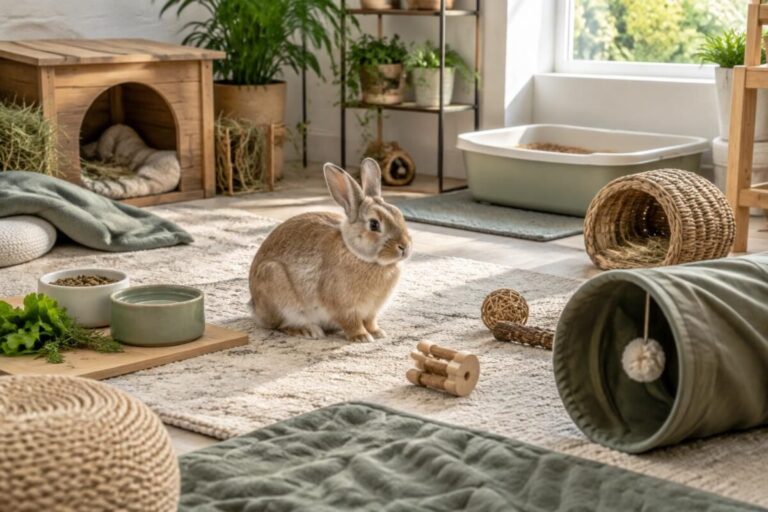
Set aside a basket or box for each pet and label their walking gear, toys and care items. This reduces mix-ups and makes tidying up easier.
How often should I check the accessories?
Do a quick check every week to spot damaged toys or poorly fitting equipment. Clean beds and bowls according to how often they’re used and the manufacturer’s instructions.
Thanks for your interest; Romane