
Pet Accessories: 4 Simple Choices for Real Comfort
Hello, this is Romane.
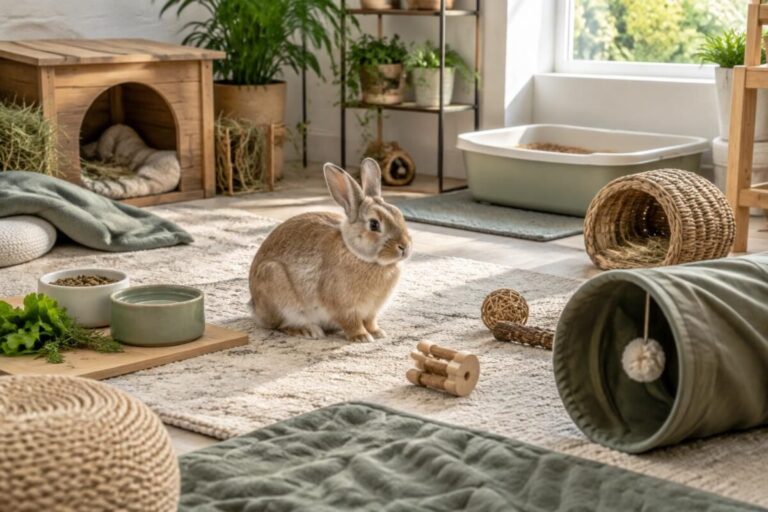
To improve your pet’s comfort, choose a suitable bed, an easy-to-reach food bowl, a well-fitted harness, and safe toys.
These pet accessories don’t need to be numerous or expensive. The best choice is the one that suits your companion’s habits and body shape.
What to do now to keep your pet comfortable
- Watch their posture while resting: do they stretch out, curl up, or look for a cool spot?
- Check their food bowl: they should be able to eat and drink without contorting themselves.
- Try on their harness at home: it shouldn’t restrict their shoulders or rub under their legs.
- Inspect their toys: remove any that are damaged or small enough to be swallowed.
- Choose practical accessories that are easy to wash and suited to their age and size.
To shop wisely, you can also check out these tips for avoiding unnecessary purchases and this guide to comparing accessories before choosing.
Four pet accessories that improve everyday comfort
Animal well-being often comes down to simple details: a place to rest, a natural posture for eating, walks without discomfort, and suitable activities. There’s no need to turn your home into a specialty store: every item should have a clear purpose.
To illustrate these choices, imagine Moka, a dog who rests on the tiled floor despite having a bed, pulls on the leash, and ignores his toys. These behaviors are a cue to observe his needs before replacing his things.
1. A pet bed suited to the way they sleep
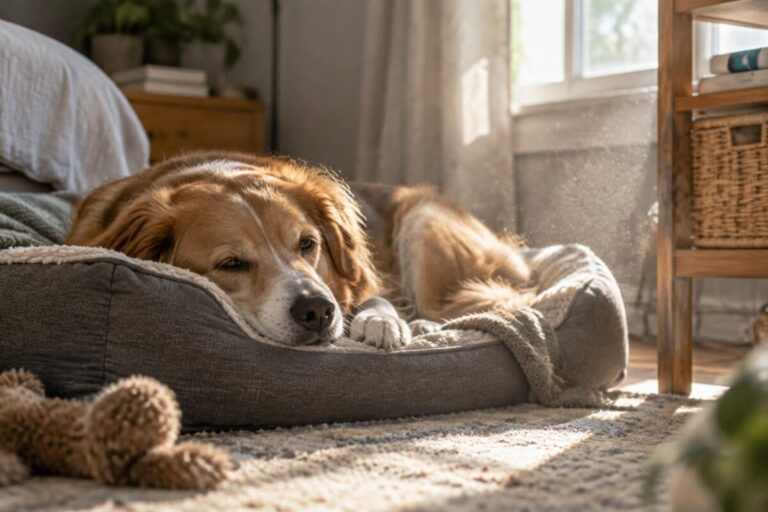
A pet bed should let your companion lie down without hanging over the edge and change positions easily. A dog who stretches out will appreciate a large enough surface, while a pet who curls up may prefer a bed with raised sides.
Choose a washable material and make sure the bed stays stable on the floor. If Moka prefers the tiled floor, his bed may be too warm, too soft, or in a busy area: try moving it before buying a new one.
2. An ergonomic food bowl for effortless eating
An ergonomic food bowl should be stable, easy to clean, and proportionate to your pet’s size. For most dogs and cats, a bowl placed on the floor is suitable; a raised model isn’t automatically better and should meet a specific need.
Watch your companion during mealtimes. If they often spill their water or move their bowl, a non-slip base may be enough to make mealtime more comfortable.
3. A comfortable harness for more relaxed walks
A comfortable harness distributes pressure without restricting shoulder movement. You should be able to fit about two fingers between the straps and your pet’s body, while making sure the harness doesn’t twist when the leash is pulled tight.
Try it on at home first, then take a short walk. If your pet freezes, scratches, or walks differently, remove the harness and adjust it before continuing the walk.
4. Pet toys suited to their temperament
Pet toys can encourage play, searching, or chewing, but their size and durability matter more than their appearance. A toy that’s too small, cracked, or made of detachable parts poses a risk of being swallowed.
Offer one or two toys at a time and observe your companion’s preferences. A cat may enjoy chasing a lightweight ball, while a dog may sometimes enjoy a scent game with a few hidden treats.
Compare practical accessories before choosing
Before buying, connect each item to an observed need. This check helps you avoid accumulating accessories that take up space without improving your pet’s comfort.
| Accessory | What to check | Signs it’s a good fit |
|---|---|---|
| Bed | Size, stability, and care | Your pet settles in and changes position freely |
| Food bowl | Height, stability, and ease of cleaning | Mealtimes pass without spills or forced postures |
| Harness | Fit and freedom of shoulder movement | Your pet walks without rubbing or visible discomfort |
| Toy | Size, durability, and intended use | Play remains suitable and the toy doesn’t deteriorate |
Choose pet care products in three steps
Accessories contribute to comfort, but they don’t replace careful observation or the necessary care your pet needs. If discomfort persists, ask a veterinarian for advice rather than buying more things.
- Identify the actual need. Note what’s bothering your companion: restless sleep, a moved food bowl, harness rubbing, or a lack of interest in their toys.
- Choose one suitable accessory. Check the size, material, care instructions, and safety guidelines before using it.
- Observe their reaction for a few days. Keep the item if it genuinely makes their activities easier; adjust or remove it if it causes discomfort.
A successful purchase isn’t measured by the number of items, but by the difference it makes to your pet’s habits. This simple approach supports their everyday well-being.
How do you choose the right bed size for your pet?
Measure your pet while they are lying in their usual position and choose a bed that lets them stretch out and change positions without hanging over the edge.
Is a raised food bowl always better?
No. A bowl placed on the floor is suitable for many pets. The choice depends on their comfort and any veterinary recommendations.
How can you tell if a harness is properly fitted?
It should stay in place without compressing the body or restricting the shoulders. You can generally fit two fingers under the straps, then check the fit during a short walk.
How often should you check pet toys?
Inspect them regularly and remove them as soon as they’re torn, cracked, or have small parts that could be swallowed.
Take good care of your companion and share your observations in the comments. — Romane