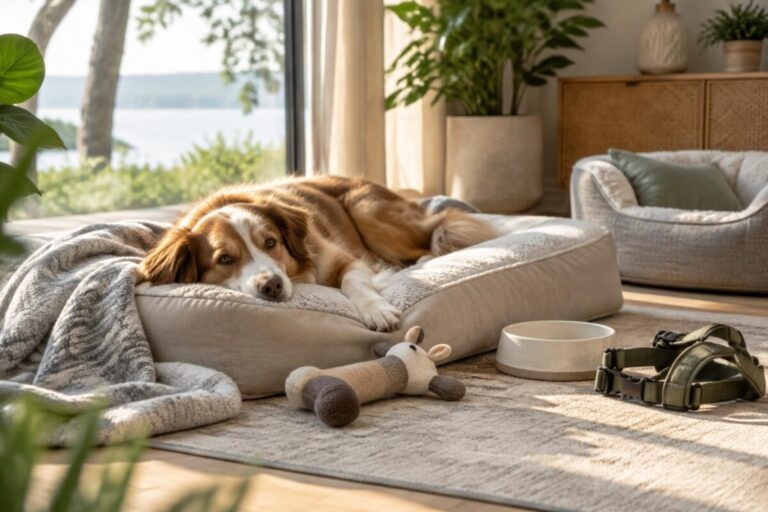

Pet accessories: useful essentials or an overly marketing-driven selection
Hello, it’s Romane.
Pet accessories are really useful when they meet a specific need for comfort, safety, or stimulation; the rest is often just pet marketing.
A sagging bed or a bowl that slides around can make everyday life more difficult, while a trendy item may not necessarily suit your companion. To choose with confidence, observe their habits before checking out the latest products.
Good habits to adopt
- Start with a real need: rest, walks, meals, transport, or play.
- Check the size and fit based on your pet’s build and age.
- Examine the materials and finish: sturdy stitching, reliable fastenings, easy cleaning.
- Observe their reaction during the first few uses and give them time to get used to it.
- Remove any damaged item or anything that restricts their movement, rest, or natural behavior.
To compare essential accessories with gadgets, you can also read this guide on accessories that are genuinely useful or simply fashionable and these tips on how to buy less but choose better.
Pet accessories: when usefulness stands apart from marketing
A selection of products can be both attractive and practical. A well-fitted harness, for example, can make walks easier without rubbing under the legs; a stable bed can provide a more comfortable place to rest for an older dog. The decisive factor is the real benefit to the animal.
The trap is to confuse buying something with showing affection. Perfume, clothing, or a connected gadget isn’t automatically harmful, but it doesn’t meet a universal need. Some products may even disrupt familiar scents or limit exploration if they aren’t used appropriately.
Imagine a cat that prefers sleeping on a familiar blanket rather than in a new, stylishly designed bed. Their choice gives you valuable information: it’s better to respect their habits than to keep buying more things. Animal well-being often starts with this kind of attentive observation.
Your pet’s comfort: choosing a suitable bed
A bed should be large enough for your pet to stretch out and stable enough not to sag. Models with a washable cover and a non-slip base make cleaning easier, a practical benefit in everyday life.
Denser padding may suit a large dog, a senior pet, or one that seems stiff when waking up. A healthy young cat, on the other hand, may prefer a soft cushion or often change where they sleep. There’s no one ideal model for every pet: sleeping habits should guide your choice.
Dog gear and cat accessories: safety first
For walks, a harness should stay securely in place without restricting the shoulders or rubbing against the chest. Adjustable straps, sturdy fastenings, and reflective elements are generally more useful than a fashionable color. However, a harness doesn’t replace training your dog to walk on a leash.
For cats, a stable cat tree and a suitable scratching post can encourage natural behaviors. Toys should be an appropriate size and put away if they’re torn or have small detachable parts. Pet safety also depends on these simple checks.
In the car, choose a suitable carrier or a restraint designed for transporting pets. Letting a companion roam freely in the car or sit on your lap isn’t safe, even on a short trip.
Compare essential accessories before buying
A stable bowl or an easy-to-rinse mat can make mealtimes easier. A puzzle toy can provide stimulating activity, as long as your pet understands how to use it and doesn’t get discouraged. Here are a few pointers to help you distinguish practical needs from impulse buys.
| Accessory | Useful if… | What to check |
|---|---|---|
| Bed | Your pet doesn’t have a comfortable place to rest. | Size, support, washable cover, and stability. |
| Harness or leash | Walks require well-fitted, reliable gear. | No rubbing, adjustability, and sturdy fastenings. |
| Bowl or mat | The bowl slides around or mealtimes often leave the floor dirty. | Stability, easy cleaning, and a quiet location. |
| Toy or feeder | Your pet enjoys searching, chewing, or exploring. | Suitable size, reasonable difficulty, and overall condition. |
| Connected accessory | A specific feature genuinely makes your routine easier. | Practical usefulness, simplicity, and maintenance. |
Reviews of accessories can help you spot recurring issues, but they don’t replace observing your companion. A popular item won’t necessarily suit their temperament, size, or age.
A three-step method for making better product choices
- Define how it will be used. Write down the specific problem to solve: an uncomfortable bed, a leash that slips, an unstable bowl, or a lack of activities.
- Compare practical features. Check the dimensions, materials, ease of cleaning, and safety features before letting the appearance win you over.
- Introduce it gradually. Present the item without forcing your pet, observe their behavior, and keep it only if they use it comfortably.
This approach helps you avoid purchases driven by pet marketing and spend your budget on items that genuinely improve everyday life. A successful accessory is often one your pet takes to naturally.
Practical questions about pet accessories
Which accessories are truly essential?
It depends on the animal and their lifestyle. A suitable bed, a stable bowl, safe walking gear for a dog, and appropriate play or scratching items can meet practical needs.
Is an expensive accessory necessarily better quality?
No. Price and appearance guarantee neither durability nor suitability for your companion. Check the materials, finish, maintenance requirements, and actual use.
How can I tell if my pet doesn’t like an accessory?
If they avoid it, freeze, try to get rid of it, or seem uncomfortable, remove it and perhaps try again later, gradually. If the discomfort persists, ask a veterinarian for advice.
Can interactive toys replace playtime with the family?
No. They can complement activities and encourage exploration, but they don’t replace appropriate interaction with humans or other animals.
Thanks for reading! Feel free to share your observations in the comments. — Romane