
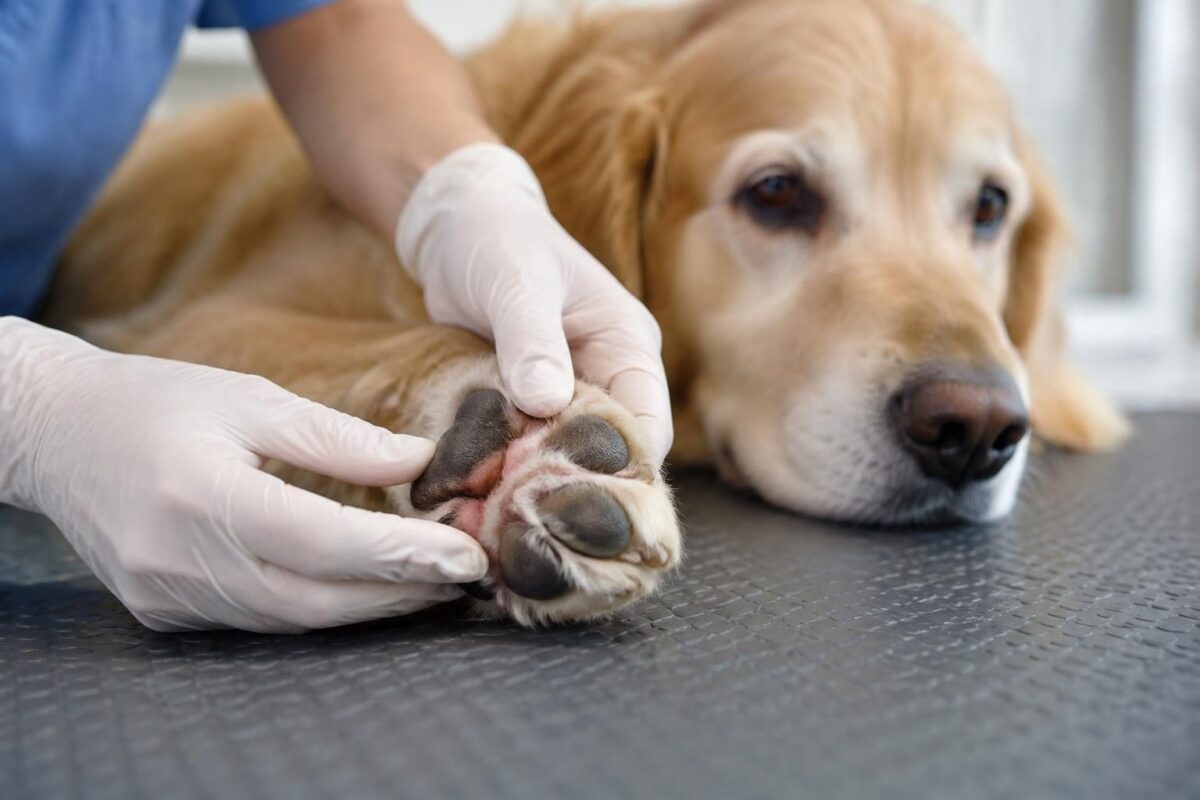
Animal health: Is this material more irritating than we think?
Hello, this is Romane.
Yes, some materials can irritate an animal, especially with prolonged contact or sensitive skin.
A floor, collar, fabric, or covering could be the cause, but that does not necessarily mean there is an allergy or toxicity. Noticing when the symptoms appear can help you respond calmly and protect your companion.
What to do right away
- Move your pet away from the suspected material, and don’t let them lick or chew it.
- Check their skin: make a note of any redness, itching, swelling, or hairless patches.
- Gently rinse the exposed area with lukewarm water if it is soiled, without applying any products intended for humans.
- Take a photo of the marks and note the time and duration of contact with the material.
- Call a veterinarian if the signs worsen, persist, or are accompanied by breathing difficulties.
A floor that causes discomfort deserves attention, as explained in this article about the effects of a poor flooring choice on animal health. If your companion often licks themselves after touching a surface, these pointers on licking that becomes a warning sign may also help you describe the situation more clearly.
Which materials can irritate an animal?
The term irritating material can refer to a rough covering, treated fabric, rubber, plastic, or a surface with cleaning-product residue on it. The reaction depends on the material, as well as the duration of exposure and the sensitivity of the skin.
Local irritation does not automatically mean an allergy. An allergy involves an immune response, whereas friction or contact with a harsh substance may be enough to trigger skin inflammation. Toxicity is a separate issue: it relates in particular to ingesting or being exposed to a harmful substance, and requires veterinary advice.
Signs to watch for after contact
Symptoms in an animal may include redness, itching, warm skin, small lesions, or repeated licking. They may appear quickly or become more pronounced after repeated contact.
For example, a dog that starts chewing its paws after walking on a recently cleaned rug may be reacting to product residue left on the fibers rather than to the rug itself. When the signs appear and which area is affected can offer clues, but they are not enough to make a diagnosis.
Reduce exposure without making the skin worse
Avoid rubbing the area or applying a cream intended for humans: some ingredients are unsuitable for animals, and licking can lead to ingestion. If you know which product or object may be responsible, keep its packaging or take a photo of the label to share with the veterinarian.
Veterinary prevention starts with simple changes: air out a space after cleaning, follow product dilution instructions, and check that a new accessory does not squeeze or rub. Discomfort that returns every time your animal uses the same object deserves special attention.
| What you notice | Helpful response | When to seek advice |
|---|---|---|
| Redness limited to an area after contact | Remove the source and monitor how it develops | If the mark persists or spreads |
| Repeated licking or scratching | Prevent contact with the suspected surface | If the behavior continues or causes lesions |
| Swelling, pain, or distress | Do not apply any product without advice | Contact a veterinarian promptly |
| Possible ingestion of a product | Keep the packaging and note the estimated amount | Call a veterinarian right away |
Three steps to identify the material responsible
A simple approach can help limit repeated exposure and provide useful information to a healthcare professional.
- Note the circumstances. Write down the object, surface, product used, and the time between contact and the first signs.
- Remove the suspected source. Temporarily replace the object or block access to the area, then monitor what happens without making multiple changes.
- Ask a veterinarian for advice. Share your notes and photos, especially if the signs persist, spread, or are accompanied by a change in behavior.
This approach does not replace an examination, but it can help distinguish temporary irritation from a problem that requires treatment. A reaction that worsens or keeps coming back should be assessed rather than simply masked.
How can I tell if a material is irritating my pet?
Notice whether the signs appear after a specific contact and whether they affect the exposed area. A photo and notes about the circumstances will help the veterinarian, who can look for other causes.
Does irritation mean my pet is allergic?
No. Irritation may be caused by friction or a harsh substance. An allergy is an immune response and cannot be confirmed based only on the appearance of the skin.
What should I do if my pet licked a product off a surface?
Move them away from the area, keep the product packaging, and contact a veterinarian promptly to find out what to do. Do not try to make them vomit unless instructed by a professional.
When does skin irritation become an emergency?
Seek advice promptly if the swelling is significant, the pain increases, the lesions spread, or your pet seems lethargic. Breathing difficulties require immediate care.
Take good care of your companion, and share your observations in the comments. — Romane