Animal Health: Comfort or Chafing, This Detail Matters
Hello, this is Romane. Comfortable equipment should neither slip nor squeeze: check its fit and your animal’s skin after each use. Repeated rubbing can cause redness, skin irritation, and pain, even if the accessory seems suitable at first glance. A few simple steps can help protect your animal’s health and well-being.
Good habits to adopt
- Inspect contact areas before and after use: armpits, neck, chest, or skin folds.
- Check the fit: the equipment should not be tight, twist, or restrict movement.
- Start with a short duration, then gradually increase it if your companion remains comfortable.
- Remove the accessory as soon as you notice discomfort, redness, or a change in gait.
- Choose a suitable material and size for the species, build, and intended use.
Animal comfort is not judged solely by how soft a fabric is: it also depends on the shape, support, and freedom of movement. To better understand your companion’s needs, read these tips on improperly positioned accessories and learn how to spot the signs of unsuitable equipment.
Comfort or chafing: how to tell the difference
A well-designed accessory can help prevent injuries, but only if it remains comfortable during use. A harness that rubs under the front legs, a bunched-up blanket, or a collar that is too tight can irritate the skin with every movement.
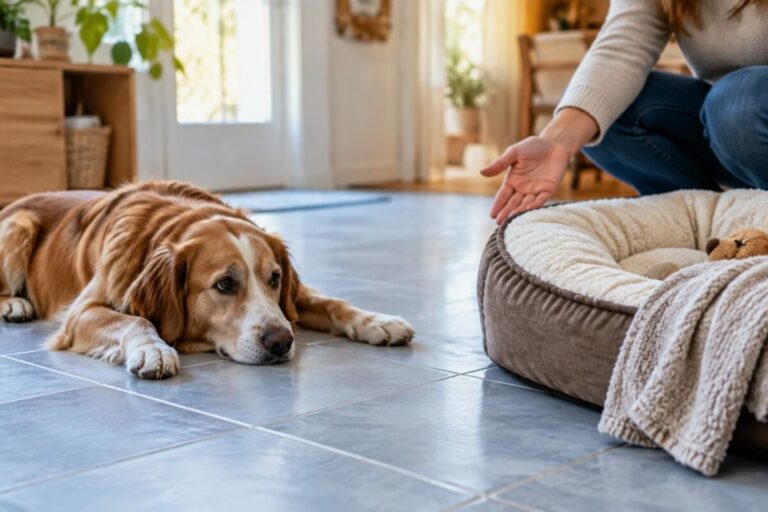
Imagine a female dog who comes home from a walk and often licks under her armpit. This behavior alone is not enough to make a diagnosis, but it’s a reason to check the area and the equipment: a red mark, hair loss, or a reaction to touch are reasons to remove the accessory and monitor the situation.
| What you observe | What it may indicate | Helpful response |
|---|---|---|
| The animal walks and moves freely | Equipment may be properly fitted | Continue checking after use |
| They scratch, lick themselves, or try to remove the accessory | Discomfort, pressure, or chafing | Remove it and examine the skin |
| Redness persists or the skin is damaged | Possible irritation or injury | Ask a veterinarian for advice |
A comfortable fit for your animal and its equipment
The same accessory won’t necessarily suit every animal, even if they are of a similar build. Body shape, coat length, gait, and skin sensitivity all affect how a strap or seam rests against the body.
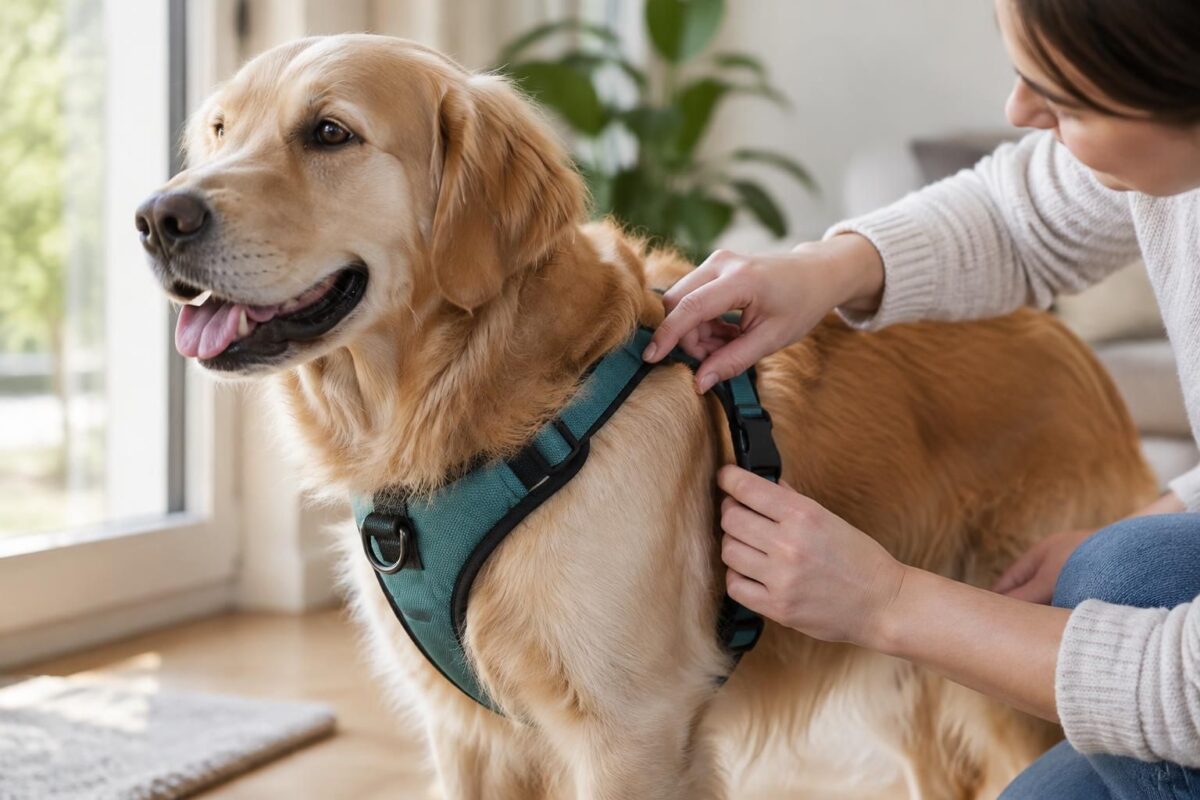
For some harnesses, you can check that one or two fingers fit between the strap and the body without forcing them. This is only a general guideline: follow the manufacturer’s recommendations and ask for advice if you’re unsure, especially for a growing animal or one with a skin condition.
Pay attention to behavior, too. An animal that freezes, slows down, pulls away, or tries to chew its equipment may be expressing discomfort. These signs don’t always mean there is chafing, but they warrant a check rather than further restraint.
Three steps to reduce chafing
- Before use: check the seams, buckles, and any rough areas. Adjust the equipment without compressing the body.
- During the first few minutes: see whether your animal walks, sits, and moves normally. Stop the trial if they seem uncomfortable.
- After removal: examine the contact areas. If irritation persists, spreads, or becomes painful, consult a veterinarian.
Suitable equipment should move with your animal, not restrict them. If there is a wound, swelling, or pain, avoid putting the accessory back on until you have received professional advice.
Answers to frequently asked questions
How can I tell if a harness is rubbing?
Watch for redness, marks, hair loss, repeated licking, and changes in gait. Remove the harness and check the areas where the straps touch the skin.
Is slight redness after wearing the equipment a cause for concern?
It may be due to temporary irritation, but you should remove the equipment and monitor how it changes. If it persists, gets worse, or is accompanied by pain, ask a veterinarian for advice.
How often should I check the fit?
Check it before each use and reassess it regularly, especially if your animal is growing, gaining or losing weight, or changing its coat.
Can I put the equipment back on after irritation?
It’s best to wait until the skin has healed and check the accessory’s size, shape, and material. If the skin is damaged or sensitive, ask a veterinarian for advice before using it again.
Thanks for reading! Feel free to share your observations in the comments. — Romane