
Animal education: how to make changes without losing your bearings
Hi, Romane here. To arrange your space without disrupting your pet’s familiar routines, keep the essential areas where they are and change the rest gradually, observing your pet’s reactions. A clearly laid-out space helps them understand where to rest, eat, and play. The goal isn’t a perfect home, but a safe environment for both of you.
Things to do right away
- Identify the places where your pet sleeps, eats, and goes to relax.
- Keep their familiar belongings accessible while things are changing.
- Set up resting areas away from busy thoroughfares.
- Introduce one new item at a time.
- Observe your pet’s behavior after each change.
Do this now: move just one item and give your companion time to get used to it. To prepare for this change, you can read these tips on reorganizing their space without upsetting them and these ideas for creating a pet-friendly home.
Arranging your space: keeping familiar routines
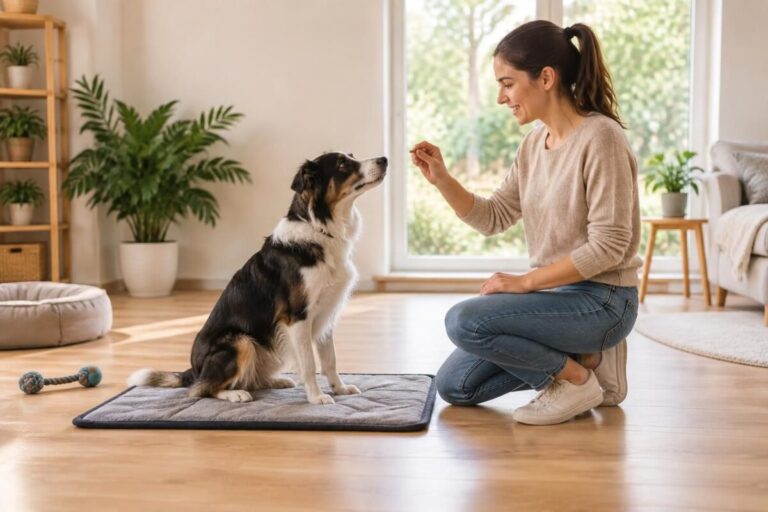
In animal training, arranging your space is part of everyday learning. When eating, resting, and play areas are easy to identify, your pet can anticipate what’s going to happen and feel more at ease.
Avoid moving their bed, food bowls, and toys all at once. If you change a room, keep at least a few familiar things in place, such as a blanket with their scent or their usual bed.
Resting areas that feel safe
Choose resting areas away from doors, noisy appliances, and busy thoroughfares. Your pet should be able to retreat there without being disturbed, while still having easy access to water and the other spaces they need.
A pretty corner isn’t always enough: see whether your companion uses it of their own accord. If they avoid it, try a quieter location rather than putting them there by force.
“A good retreat is a place where an animal can choose to settle down.” Having that choice helps create a safe environment without making rest feel like an obligation.
A gradual transition to avoid confusion
Changing your home can also change your pet’s habits. A moved shelf, a new hideaway, or a blocked passage can affect their routes and how they use the room. Make small changes and keep their daily routine as stable as possible.
Once, a cat turned their nose up at a new bed placed beside a busy doorway. Moved to a quieter corner, the cat took to it without any further changes.
If you’re simply rearranging a room, change one thing at a time and allow a few days to adjust, depending on your pet’s reaction. If you’re moving house, first set up their familiar belongings in a quiet room, then gradually give them access to the rest of the new home.
Three steps to arrange your space without disrupting familiar routines
- Step 1: observe. Note where your pet eats, sleeps, plays, and goes to be alone.
- Step 2: change one area. Move or add just one item, while keeping their bed or a familiar object in place.
- Step 3: check that they’re comfortable. See whether they use the area, avoid it, or show any change in behavior, then make gentle adjustments.
This approach helps preserve your pet’s habits while allowing your home to evolve. The right pace is the one your companion can handle comfortably.
Environmental enrichment and organizing your space
Environmental enrichment doesn’t necessarily require lots of items. A suitable toy, a sturdy scratching post, or accessible hiding places can encourage exploration, as long as you keep pathways clear and respect your pet’s species-specific needs.
For a dog, a quiet corner and scent-search toys can help channel their energy. For a cat, elevated spots and well-placed hiding places often provide more options. See what your pet is drawn to before adding equipment.
| Area | Practical setup | What to look for |
|---|---|---|
| Rest | A bed away from busy thoroughfares | Your pet settles there spontaneously |
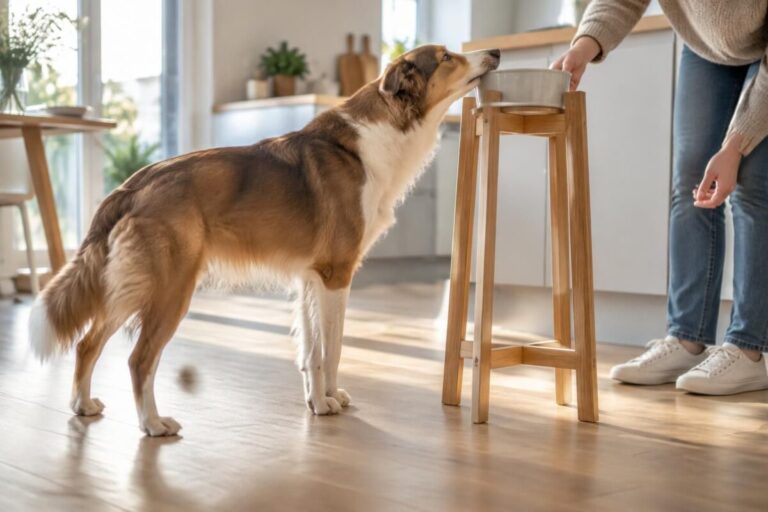
| Eating | A consistent spot, away from the litter box or noise | They eat without unusual signs of agitation |
| Play and exploration | A few suitable items, introduced gradually | They explore without feeling trapped |
| Retreat | An accessible hideaway where they can relax undisturbed | They can come and go freely |
Keep the main pathways clear. An easy route between the resting area, water, and other useful spaces helps prevent hesitation, especially when the room changes.
Observing your pet’s behavior after each change
An animal may show discomfort by avoiding a room, hiding more often, or no longer using their bed. These signs don’t always mean the setup is the cause, but they’re worth paying attention to, especially if they persist or occur alongside other changes.
Pay attention to their usual routine: where do they go to rest? Which routes do they take? If they go around a new item or seem blocked by too much foot traffic, clear the path and give them somewhere to retreat.
When choosing what to change, start with your pet’s needs rather than the room’s appearance. A simple, predictable space that suits them supports animal welfare and makes everyday learning easier.
How can I rearrange a room without upsetting my pet?
Change one thing at a time. Keep their bed and a few familiar items, then see whether they use the new areas without showing signs of avoidance.
Where should I put resting areas?
Choose a quiet spot away from thoroughfares and sources of noise, where your pet can retreat without being disturbed.
What should I do if my pet avoids a new hideaway?
Don’t force them to go in. Try a quieter location, make sure the way in is clear, and give them time to explore it.
Should I keep the same daily routine during renovations?
As much as possible, keep meal, walk, and play times the same. A stable routine often helps an animal cope better with changes to their space.
Thank you for your interest; Romane