
Animal health: bedding, food bowl, mat—where are we going wrong?
Hello, it’s Romane.
Most problems stem from cleaning too infrequently, using unsuitable equipment, or choosing irritating products: litter boxes, food bowls, and mats each need different care.
A simple routine protects your pet’s hygiene without turning your home into a treatment room. The key is to remove dirt promptly, wash items regularly, and let accessories dry completely.
Good habits to adopt
- Remove waste and soiled clumps from the litter box every day.
- Wash food bowls every day, especially after serving wet food, then rinse them thoroughly.
- Replace the water daily and clean the bowl as soon as it becomes slippery or dirty.
- Wash your pet’s mat when it gets dirty, and regularly according to how it is used and the manufacturer’s instructions.
- Let accessories dry completely before putting them back out.
A clean litter box, a spotless food bowl, and a dry mat help reduce everyday sources of dirt. For more information, see these tips on keeping your pet’s space clean and the effects of a poorly cleaned space.
Litter boxes, food bowls, mats: the most common cleaning mistakes
A common mistake is to clean every item the same way. However, litter boxes retain moisture and waste, food bowls collect food residue, and mats accumulate hair, dust, and dirt from paws.
Damp or saturated litter can cause odors and irritate paws. For a cat, remove waste every day and replace the litter according to its type, the manufacturer’s instructions, and the number of pets. A strong, persistent odor or a sudden change in elimination habits also deserves special attention.
A clean food bowl takes more than a rinse
A quick rinse under water can leave a greasy film or food residue behind. To clean a food bowl effectively, use hot water and dish soap, then rinse it thoroughly and dry it regularly.
Water bowls need the same attention: a slippery film is a sign that they need cleaning. If several pets live together, each should be able to access water and food without stress or competition.
Mats can trap moisture and allergens
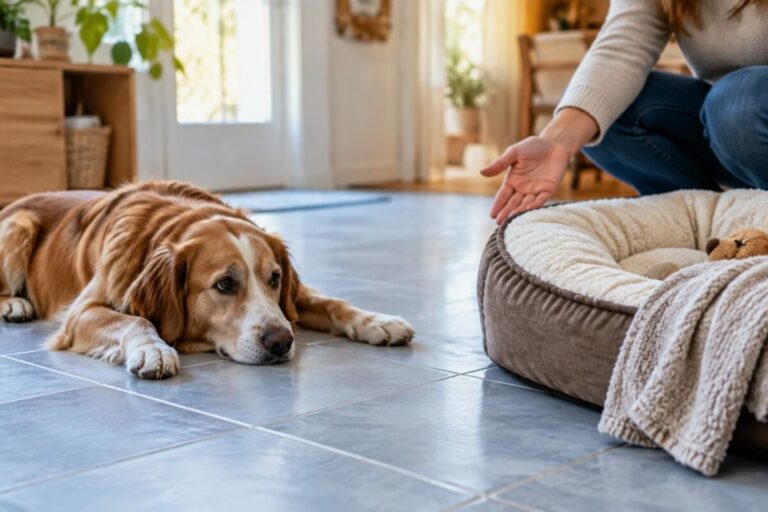
A mat that stays damp after an accident or washing can develop an odor and become uncomfortable. Wash it according to its care label, dry it completely, and vacuum up hair between washes.
For example, if a dog comes in with wet paws, drying the mat and cleaning up the tracks prevents moisture from lingering. Your pet’s comfort also depends on these simple steps, not just on the product you choose.
Choose the right cleaning methods for each accessory
Accessories should be cleaned regularly, but not aggressively. Avoid strong fragrances and mixing household cleaning products; keep your pet away while cleaning and follow the rinsing instructions.
| Accessory | Cleaning guideline | What to watch for |
|---|---|---|
| Litter box | Remove soiled areas every day | Moisture, unusual odors, dusty litter |
| Food bowl | Wash after each day of use | Greasy film, stuck-on food, cracks |
| Water bowl | Replace the water daily and wash regularly | Slippery film or dirt |
| Pet mat | Wash when dirty and dry completely | Persistent dampness, odor, or damaged fabric |
How often you need to clean may vary depending on the number of pets, their age, and their health. A sick or vulnerable pet may need extra precautions: ask a veterinarian for advice rather than improvising a disinfection routine.
A three-step routine to protect your pets’ health
- Remove dirt. Remove litter box waste and food leftovers as needed; also check the mat and the areas around food bowls.
- Wash using an appropriate method. Use water and a mild detergent for bowls, then rinse well. Care for the mat according to its care label and replace the litter according to the manufacturer’s recommendations.
- Dry and observe. Put accessories back in place once they are dry. Note any changes in appetite, thirst, behavior, or elimination, and contact a veterinarian if they persist or are accompanied by other signs.
This routine supports infection prevention and animal welfare while keeping your home pleasant. However, it does not replace good ventilation, a suitable diet, or veterinary care.
Frequently asked questions about accessory hygiene
How often should you clean a pet’s food bowl?
Wash the food bowl every day, especially after serving wet food. Replace the water daily and clean the bowl as soon as it develops a film or becomes slippery.
Do you need to replace all the litter every day?
Not necessarily. Remove soiled areas every day, then replace all the litter according to its type, the manufacturer’s instructions, the number of cats, and the condition of the litter.
How do you wash a pet mat without leaving an odor?
Follow the manufacturer’s washing instructions and let the mat dry completely before putting it back on the floor. Lingering dampness can cause odors to persist.
When should you ask a veterinarian for advice?
Consult a veterinarian if your pet suddenly changes its litter box habits, eats or drinks less, or shows persistent signs of discomfort. More frequent cleaning is not enough to treat an illness.
Thanks for reading! Feel free to share your observations in the comments. — Romane