The animal’s habitat: is its spot becoming unusable because of them
Hello, it’s Romane.
Yes: too many objects, a poorly placed bed, or a blocked walkway can make its space unusable; clearing the area and preserving familiar surroundings often helps make it comfortable again.
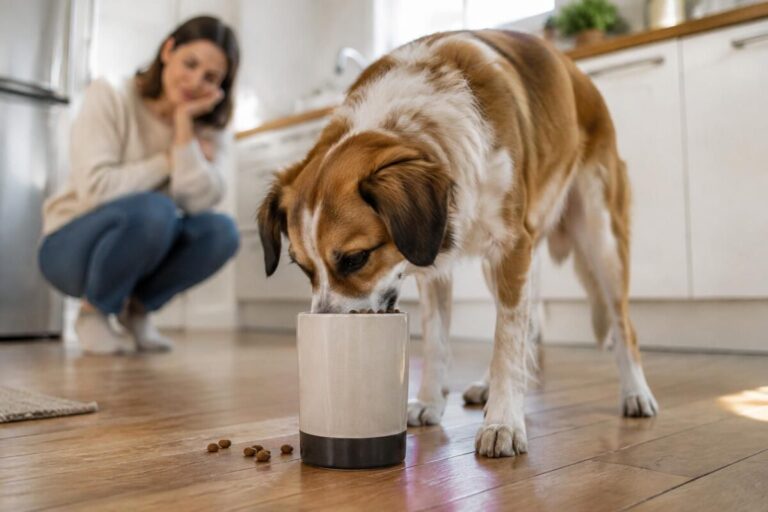
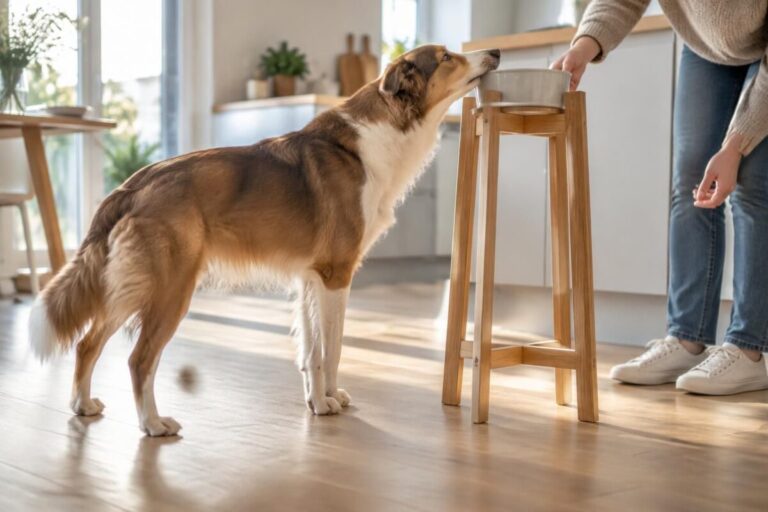
An animal needs shelter, water, food, and space to rest and move around. If its space gradually gets smaller, it may avoid its bed or move its belongings: these signs should be taken seriously, without panicking.
What to do right away: clear your pet’s space
- Remove objects blocking access to its bed, food bowl, or litter box.
- Keep a clear path between its space and the rooms where it usually moves around.
- Set aside a quiet spot for it, away from slamming doors and busy areas.
- Observe whether it still uses its bed, burrow, or nest, depending on the species and its habits.
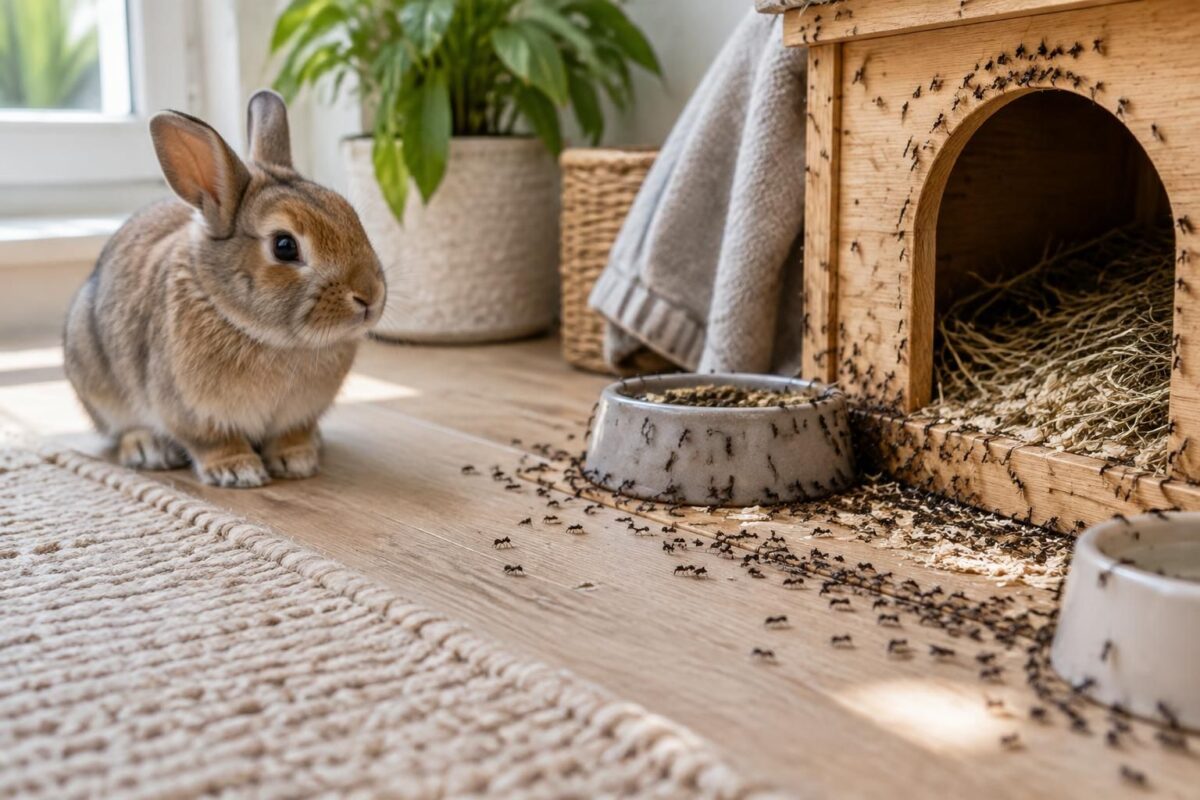
- Clean the area without strong fragrances and make sure it stays dry, clean, and pest-free.
A well-designed space doesn’t require a lot of equipment: above all, it should remain accessible and predictable. To spot the effects of clutter, also read how too many objects can reduce its space and why an overly bulky accessory can make its environment uncomfortable.
When its space becomes unusable, what signs should you look for?
An animal may hesitate to go to its space if the path is blocked, its bed has been moved, or unfamiliar objects startle it. A cat may look for another hiding place; a rabbit may stay away or have trouble reaching its shelter.
Also look for signs of deterioration: soiled litter, persistent dampness, food scraps, or an unusual smell. Unsanitary conditions can encourage parasite infestations or attract pests; they require appropriate cleaning, but not a sudden overhaul of its entire territory.
A clear space doesn’t mean an empty space
A bed, a hiding place, and a few familiar objects are often enough. The main thing is that the animal can turn around, stretch out, and reach its resources without having to navigate around piles of belongings.
For example, if a basket placed near a door is constantly being knocked around, move it to a quieter spot, then leave it in the same place for several days. This stability helps the animal feel at home again.
Clutter, dampness, or lack of space: identify the cause
Before reorganizing, observe what is actually bothering the animal. A room may look tidy to us, but still be difficult to navigate if a piece of furniture blocks the way or its resources are too close together.
| What you notice | Possible cause | First adjustment |
|---|---|---|
| It avoids its bed | Noisy location or blocked access | Clear the path and choose a quiet spot |
| It walks around its belongings | Clutter or poorly placed furniture | Remove nonessential objects |
| Its space stays damp | Poor ventilation or a leak | Dry the area, air it out, and check the source of the dampness |
| It suddenly seems withdrawn | Stress, pain, or a change in its environment | Observe its behavior and contact a veterinarian if it persists |
A change in behavior isn’t always caused by the setup. If your companion is eating less, seems to be in pain, or remains lethargic, promptly ask a veterinarian for advice: physical discomfort may also explain why it is avoiding its space.
Reorganize its space in 3 simple steps
- Observe for one or two days. Note where it sleeps, how it moves around, and which areas it avoids. Don’t move everything at once: you could add stress to an already uncomfortable situation.
- Clear the paths and keep familiar items in place. Remove unnecessary objects, then keep its bed and resources in easy-to-reach places. For an older animal or one with limited mobility, minimize obstacles and changes in level.
- Check the condition of the space. Check that it is clean and dry and free of dangerous products. If the space is too small or unusual behavior persists, adjust the setup with help from a veterinarian.
If a wild animal has made a burrow or nest in a natural area, avoid moving the shelter or altering the vegetation without expert advice. Leaving a quiet space can protect beneficial wildlife; in a natural habitat, a space being inconvenient for people isn’t necessarily a problem for the animals living there.
Helpful questions about your pet’s living space
How can I tell if my pet’s space is too cluttered?
Check that it can reach its bed, water, and other resources without having to go around objects, and that it can stretch out and turn around comfortably.
Should I move its bed right away?
Not necessarily. If the location is safe and quiet, leave it there; move it only if an obstacle, noise, or dampness is bothering the animal, then give it time to adjust.
Can dampness in its space cause problems?
Yes. It can make the bed uncomfortable and encourage odors or parasites. Dry the area, improve ventilation, and find the source of the dampness.
When should I ask a veterinarian for advice?
Consult a veterinarian if your pet remains withdrawn, eats less, seems to be in pain, or suddenly changes its behavior, especially if these signs persist despite clearing the space.
Thanks for reading! Feel free to share your observations in the comments. — Romane