
Pet Accessories: Essential or Just a Fashionable Gimmick?
Hi, this is Romane. Accessories are essential when they meet a specific need; the rest can often wait. To choose without letting fashion guide you, think first about your companion’s safety, comfort, and everyday needs. One well-suited item is better than a basket full of gadgets.
Things to do right away
- Make sure your pet always has access to clean water in a stable, easy-to-wash bowl.
- Check the fit of your dog’s collar or safety harness: it should neither be tight nor rub.
- Choose a bed suited to your pet’s size, easy to clean, and placed in a quiet spot.
- Inspect your pet’s toys and remove any that are broken, frayed, or too small.
- Make a note of the accessories that meet a real need before buying a new trendy accessory.
Do this now: compare pet accessories based on their usefulness, durability, and your companion’s comfort rather than their appearance. To identify truly useful purchases, you can consult this guide to useful accessories versus gadgets and these tips for shopping without wasting money.
Pet accessories that are genuinely useful every day
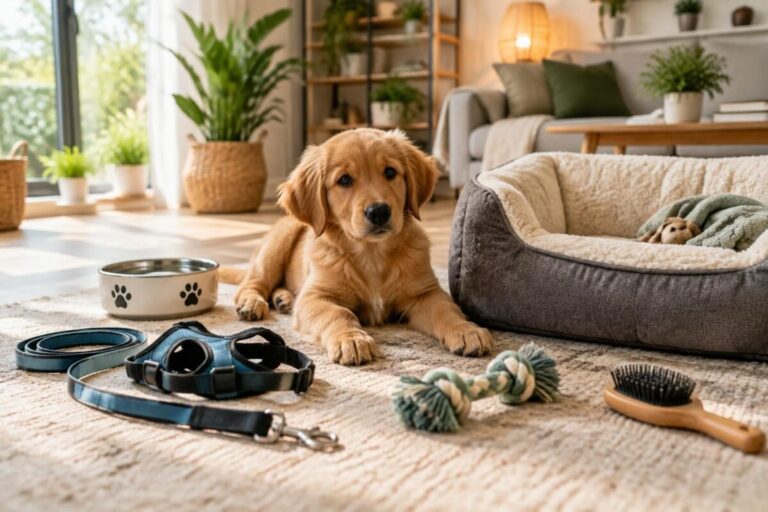
A bowl, a safe way to go out, and a place to rest make a good foundation. A non-slip bowl prevents it from sliding around during meals; stainless steel is often easy to clean and holds up well to knocks.
Choose the size according to your pet. A puppy doesn’t have the same needs as a large dog, and a slow-feeder bowl can help some pets that eat their food too quickly. However, it doesn’t replace veterinary advice if digestive problems keep recurring.
Collar, leash, and harness: fit comes first
A dog collar can hold an ID tag with up-to-date contact details. For walks, a properly fitted safety harness often distributes pressure better than a collar alone, especially for dogs that pull.
The leash should suit your surroundings and your companion’s strength. A standard leash offers simple control near roads; a cat leash, chosen carefully and introduced gradually, may suit some cats that are used to supervised outings.
“The best accessory is one that protects without getting in the way.” Regularly check the seams, fastenings, and areas that touch the coat: damaged or poorly fitted equipment can irritate the skin or break at the wrong moment.
Toys and beds: comfort, not excess
An interactive toy can keep your dog occupied and provide mental stimulation, especially when they have to wait. Chew toys, balls, and search games can also help channel their energy, provided you choose a model suited to their size and jaw.
One afternoon, a very energetic dog calmed down after a short game of finding treats hidden in a simple toy. It wasn’t a connected device, but a shared activity suited to the dog’s pace.
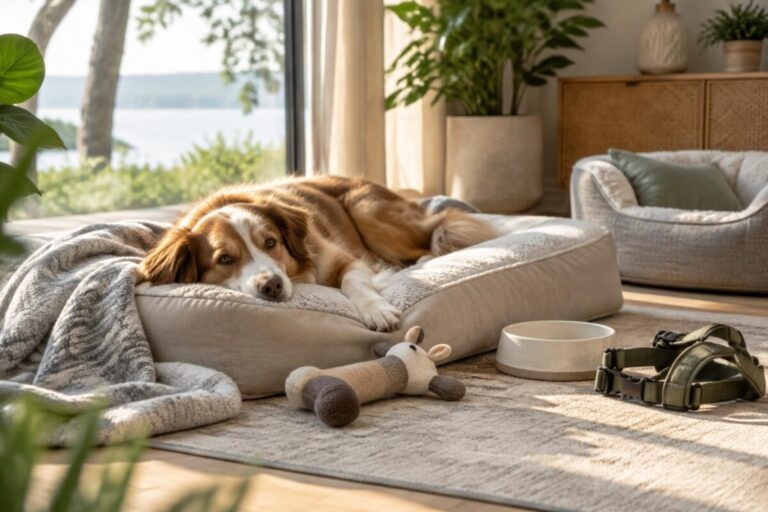
A comfortable bed should let your pet stretch out without feeling cramped. For an older dog or one with sensitive joints, a thicker bed can provide support; in hot weather, a cooling mat may be useful, but it doesn’t replace shade and fresh water.
| Accessory | When it’s useful | What to check |
|---|---|---|
| Non-slip bowl | For meals and access to water | Stability, size, and ease of cleaning |
| Collar or harness | For identification and outings | Fit and condition of the fastenings |
| Interactive toy | To stimulate and occupy your pet | Size, durability, and supervision |
| Comfortable bed | To provide a place to rest | Dimensions and care |
| Pet clothing | In certain situations involving cold or protection | Freedom of movement and comfort |
Trendy gadgets: how to sort through them
Connected accessories sometimes promise to track activity or certain signs of health. They can provide useful indicators, but they don’t diagnose conditions or replace an examination by a veterinarian. Before buying, ask yourself what specific decision the device will help you make.
Cooling vests or pet clothing may be suitable depending on the climate, your companion’s coat, and their health. They aren’t right for every pet: watch their behavior and remove the item if they seem uncomfortable, too hot, or stressed.
Trends are moving toward more interactive toys and recycled materials. That’s a good thing if the product remains safe, durable, and suitable; a trendy accessory doesn’t automatically improve animal welfare.
Two situations where choosing is easy
If your dog pulls on walks, choose a well-fitted safety harness and a suitable leash rather than a decorative accessory. If your pet isn’t resting well, start by moving their bed to a quiet spot before investing in a sophisticated one.
A simple three-step method
- Step 1: Observe your companion for a few days and note what’s bothering them: eating too quickly, fear of noise, lack of rest, or difficulty on walks.
- Step 2: Choose just one accessory that directly addresses this need, with a suitable size and material.
- Step 3: Introduce it gradually, then check that your pet uses it without showing signs of discomfort.
Questions to ask yourself before buying
Which accessories should I buy first?
Start with a bowl, a suitable bed, safe walking equipment, and an ID tag for your dog. Add toys suited to your companion’s age and size.
Is a connected accessory necessary?
Not in most households. It can provide useful indicators, but it replaces neither daily observation nor veterinary advice.
How can I tell if a toy is suitable?
Choose a toy that’s large enough not to be swallowed, suited to your pet’s jaw strength, and has no parts that can easily come loose. Check its condition often.
Should I dress my pet when it’s cold?
It depends on their coat, age, health, and the weather. Clothing should be comfortable and should not restrict their movement.
Thank you for your interest; Romane