Pet training: this bad purchase slows learning
Hi, it’s Romane. Replace the training slip lead with a well-fitted harness and a suitable long line: pressure on the neck can frighten your dog and interfere with their learning. This poor purchase can sometimes give the impression of achieving quick obedience, but it doesn’t necessarily show the animal what to do instead. For calmer animal training, focus on safety, consistency, and appropriate rewards.
What to do right away
- Stop using a lead that tightens or compresses your dog’s neck.
- Choose a harness suited to your dog’s size and build.
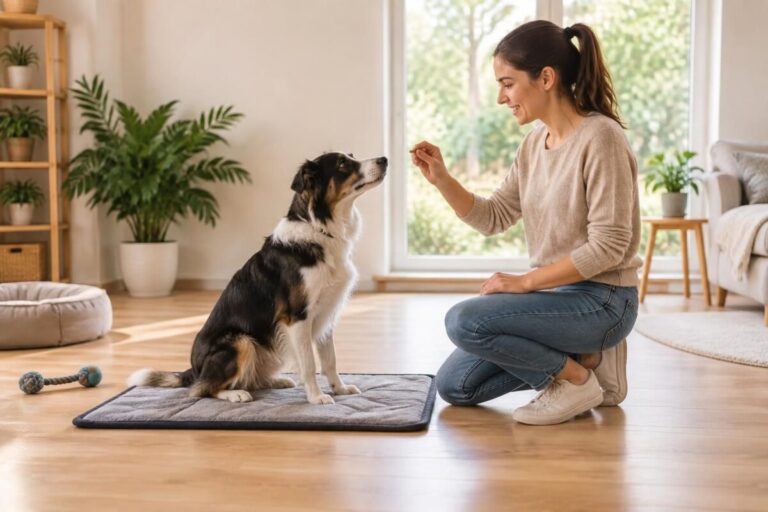
- Reward the desired behavior as soon as it occurs.
- Make things easier if your dog is worried or overstimulated.
- Seek advice from a professional who uses respectful learning methods.
To build a clearer training plan, explore simple steps to make animal learning easier and the risks associated with slip leads and fear-based learning.
The poor purchase that hinders animal training
A thin slip lead placed high on the neck tightens when tension is applied. Even with a safety mechanism, it can cause discomfort and stress; it doesn’t help the dog clearly understand what behavior is expected.
The dog may stop what they’re doing because they’re startled or worried, without learning what to do instead. As this phrase sums it up: “A behavior that has been interrupted isn’t necessarily a behavior that has been understood.”
Why pressure can interfere with learning
The neck is a sensitive area. Pressure or a jerk can be unpleasant and make an already difficult situation even more worrying. Reactions vary depending on the dog and the context: some freeze, while others pull harder or avoid the situation.
A dog that seems calm isn’t necessarily relaxed. Pay attention to their body language too: pinned-back ears, an averted gaze, sudden stillness, or attempts to avoid something can signal discomfort. In animal training, a lack of visible reaction isn’t enough to assess a dog’s well-being.
What equipment should you choose for calm, steady progress?
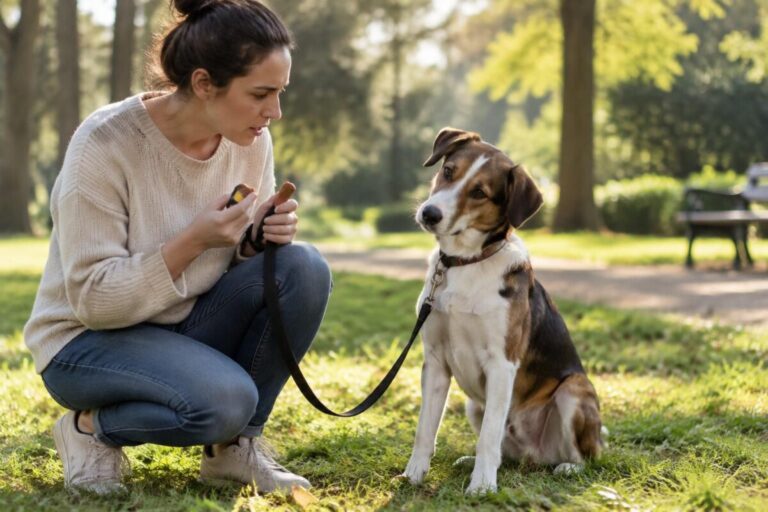
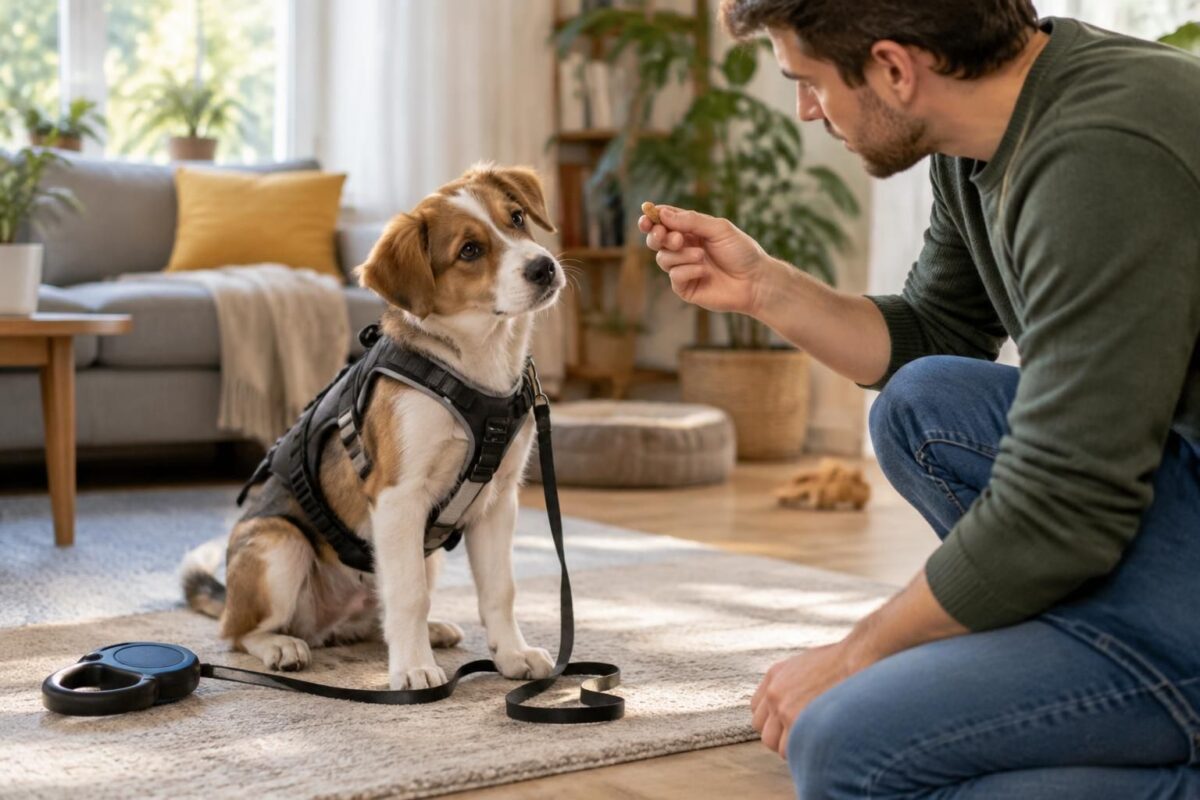
Training equipment should help guide your dog without hurting or frightening them. A comfortable harness and a suitable leash are often a better starting point; check the fit and ask for advice if you’re unsure which model to choose.
| Equipment or method | What to watch for | Helpful guideline |
|---|---|---|
| Tight slip lead | Possible pressure on the neck and discomfort | Avoid using it as a training tool |
| Well-fitted harness | Chafing and freedom of movement | Check the fit according to the model |
| Reward and clear cue | Reward given at the right moment | Start in a quiet place |
Quality equipment doesn’t replace training: it makes exercises more comfortable and easier to understand. The goal is for your companion to be able to succeed, not just stop a behavior.
Two situations to distinguish
If your dog pulls because they’re excited, start practicing in a quiet place and reward them when the leash goes slack. If your dog freezes or tries to flee, move away from the trigger and give them some space.
A three-step method for getting back to training
- Step 1: check the equipment and remove anything that tightens or restricts movement.
- Step 2: choose a simple cue and practice for a few minutes in a low-distraction environment.
- Step 3: immediately reward the desired action, then gradually increase the difficulty.
One day, during a walk, a young dog suddenly stopped at the sound of a truck. By moving farther away and rewarding the dog for returning to their person, they were able to resume the exercise without pulling on the dog’s neck.
To support your dog’s behavioral development, move at a pace they can keep up with. Patience and repetition often build better habits than pressure does.
Frequently asked questions about training equipment
Can a training slip lead slow down learning?
Yes, it can associate a situation with discomfort or fear instead of teaching the desired behavior. The effects vary depending on the dog and their past experiences.
What equipment should I choose to walk my dog?
A well-fitted harness and a suitable leash are often a good starting point. The choice depends on the dog’s build and the situation.
What should I do if my dog gets scared during an exercise?
Move farther away from whatever is worrying them, make the exercise easier, and reward small steps forward. If the difficulty persists, seek help from a qualified professional.
Thank you for your interest; Romane